


Gochujang: The Complete Guide
This is the ingredient I reach for when I want instant depth.
That squat red tub sitting in my fridge has probably done more for my cooking than any piece of equipment I own.
If you've ever bought gochujang for a specific recipe and then wondered what else to do with it - this is your guide.

What Is Gochujang?
Gochujang (고추장) is a Korean fermented red chilli paste. It's thick, deeply savoury, faintly sweet, and has a slow-building heat that's nothing like the sharp hit of fresh chilli.
It's made from four core ingredients: gochugaru (Korean red chilli flakes), glutinous rice, fermented soybean powder, and salt - then left to ferment for anywhere from a few weeks to several months. The longer it ferments, the more complex it gets.
It's been a staple in Korean cooking for centuries, most famously in tteokbokki, bibimbap, and doenjang jjigae. In the last decade it's gone from niche Korean grocery store find to supermarket staple, and for good reason.
What Does Gochujang Taste Like?
The best way I can describe it: imagine if chilli sauce, miso, and a little honey had a very delicious baby. It's spicy, yes, but the heat is rounded rather than sharp.
There's a sweetness that comes from the glutinous rice fermentation, and an umami depth from the soybeans that makes everything it touches taste more complex.
It doesn't taste like sriracha (which is vinegar-forward and thinner), and it's not the same as regular chilli paste. It's in a category of its own.
How to Buy & Store It
You'll find it in any Asian supermarket, and increasingly in larger supermarkets too.
It usually comes in a red plastic tub and most tubs have a spice level printed on them (1–5), so you can gauge the heat before you buy.
Before opening: room temperature is fine. Once open: keep it in the fridge. It will darken in colour over time as it continues to ferment - that's completely normal and not a sign it's gone off. Kept refrigerated, an opened tub lasts 1–2 years easily.
How to Use Gochujang
This is where it gets good. The most versatile way to use it is as a sauce base. My go-to formula:
- 1 tbsp gochujang
- 1 tbsp soy sauce
- 1 tsp sesame oil
- 1 tsp rice vinegar
- 1 tsp honey or sugar
Whisk together and you have a sauce that works on noodles, rice bowls, stir-fries, and marinades.
Two things to know:
- Gochujang always needs acid (the rice vinegar, or a squeeze of lemon) to balance out the sweetness - without it, it can taste a bit heavy.
- Don't add it to direct high heat too early. The sugar content means it burns fast. Add it mid-cook or off the heat, and let it come to temperature gently.
Five ways to use it this week
- Stir a spoonful into scrambled eggs
- Use it as a base for any noodle sauce
- Mix with butter for a spicy corn or toast situation
- Marinate chicken thighs in it overnight (diluted with a little soy and sesame oil)
- Add a teaspoon to any soup that needs more depth - it won't make it taste Korean, it'll just make it taste better
Recipe Inspiration For You...
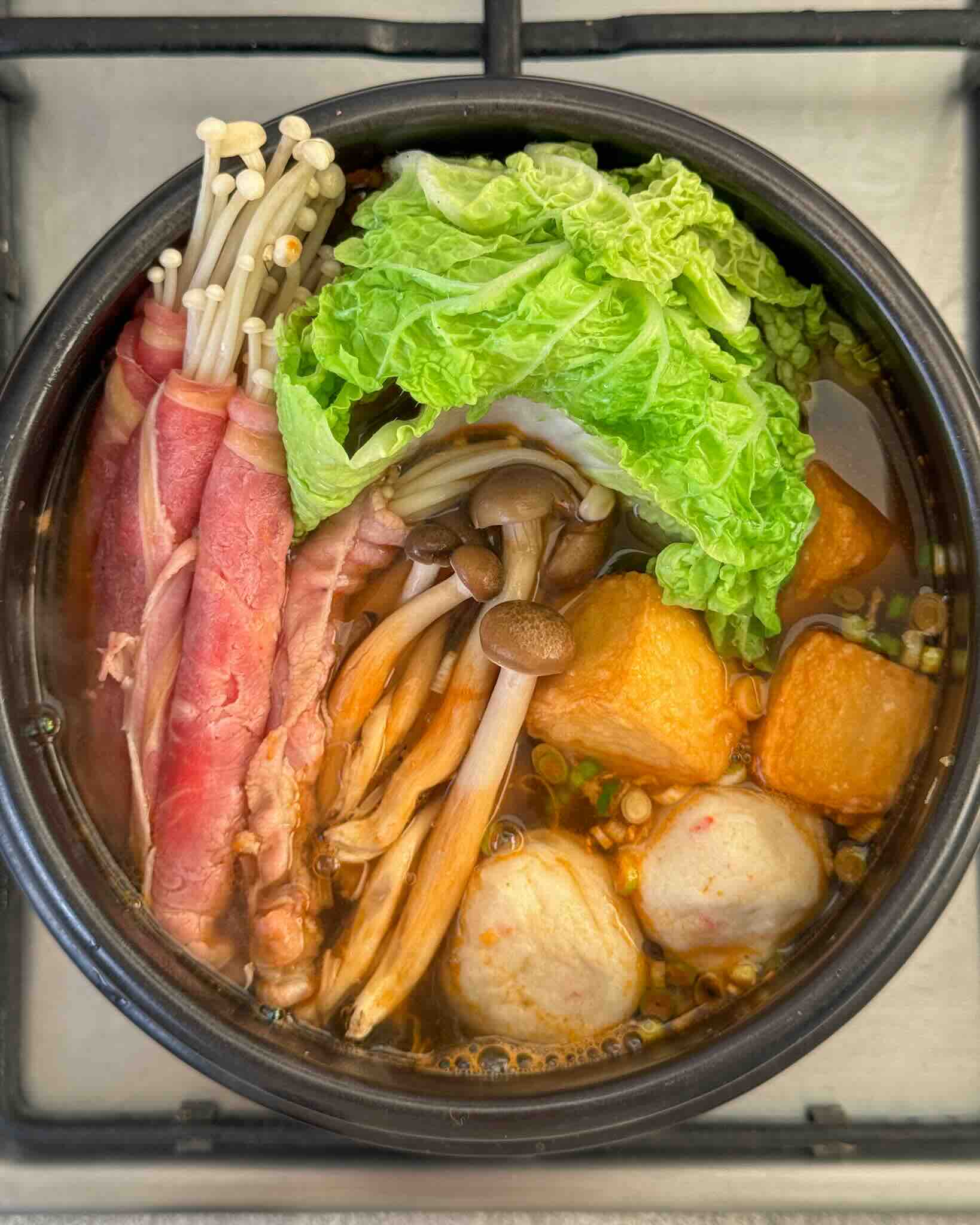
Solo Hot Pot (Small-Batch Comfort You Cook at the Table)


Vegan Korean Cauliflower Wings

.jpg)

Creamy Kimchi Udon
.avif)
10-min Healthy Noodle Soup
Frequently Asked Questions
Is gochujang the same as sriracha?
Not at all. Sriracha is a vinegar-forward chilli sauce - thinner, sharper, and less complex. Gochujang is fermented, thick, and has a sweet-savoury-spicy profile that sriracha doesn't replicate. They're not interchangeable in recipes.
Can I substitute gochujang with something else?
There's no perfect substitute, but if you're in a pinch: mix 1 tsp miso paste + 1 tsp chilli flakes + ½ tsp honey. It won't taste identical, but it'll give you a similar sweet-savoury-spicy direction. The fermented depth is hard to fake though — just get the real thing.
Does gochujang need to be refrigerated?
Sealed and unopened - room temperature is fine. Once opened, yes, refrigerate it. It'll last 1–2 years in the fridge and the colour will deepen over time, which is completely normal.
How long does gochujang last once opened?
Up to 2 years refrigerated. If it smells off or has visible mould, that's the sign to replace it - but this is rare if you're keeping it cold.
What spice level should I buy?
If you're new to it, start with level 1 or 2. The heat is more nuanced than raw chilli, but it still builds. Level 3 is my everyday - enough heat to be noticeable, not so much that it overpowers the other flavours.
Have You Eaten?
My first cookbook is now available to purchase and I couldn't be happier to share it with you! If you like what you see here, please go and check out my book for even more food for you to try!
.webp)